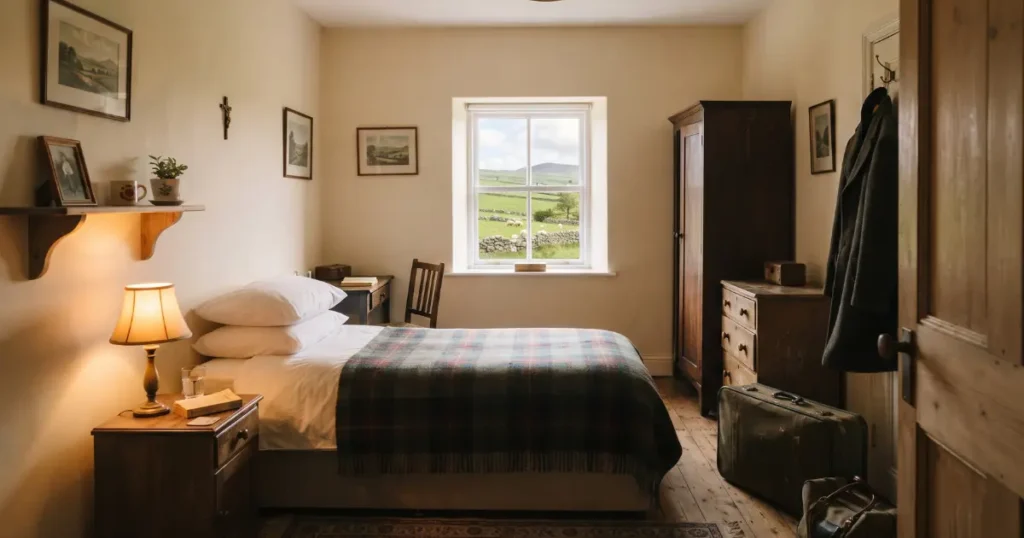

Ireland’s rental market is tight and expensive, which makes one type of job especially valuable to anyone relocating: work that comes with accommodation provided.
For foreigners moving to Ireland, a job that includes housing solves the hardest part of the move. You arrive with somewhere to live, often with meals included, and you avoid the brutal competition for rentals in cities like Dublin. This guide covers exactly which jobs in Ireland offer accommodation in 2026, what the arrangements really look like, the pay and legal points to watch, the visa reality, and how to find these roles.
Everything here is checked against Citizens Information, the Workplace Relations Commission (WRC), and the Department of Enterprise, Tourism and Employment (DETE).
⚠️ Disclaimer: This is general information, not legal or immigration advice. Wage and immigration rules change — the minimum wage, permit thresholds, and accommodation-evidence rules were all updated in 2026. Always confirm the current position on citizensinformation.ie, workplacerelations.ie, and enterprise.gov.ie.
Quick Answer
Which jobs in Ireland come with accommodation? The most common are hospitality roles (hotels, resorts, restaurants — housekeeping, kitchen, waiting, and management), farm and agricultural work, some care roles, and live-in childcare (au pair/nanny). Accommodation is usually on-site or nearby, often with meals, and a modest charge may be deducted from wages. These roles are common in tourist areas like Kerry, Galway, and Donegal.
Why Accommodation-Included Jobs Matter for Foreigners
Ireland’s housing shortage is real, and rents — especially in Dublin — are among the highest in Europe. Arriving in the country without a place to live means competing for scarce rentals, often paying a large deposit sight-unseen, and sometimes staying in expensive short-term accommodation while you search.
A job with accommodation removes that risk entirely. It is particularly valuable for:
- Foreigners relocating from abroad who cannot easily view rentals in advance
- Seasonal workers who only need housing for a defined period
- People taking their first Irish job who want to save before renting independently
- Workers in rural or tourist areas where rentals are scarce
The trade-off is that these roles are concentrated in specific sectors, and the accommodation usually comes with conditions worth understanding before you accept.
Which Jobs in Ireland Offer Accommodation
1. Hotels and Resorts (the largest source)
Hospitality is by far the most common source of accommodation-included work, especially in tourist regions. Hotels and resorts frequently offer live-in or subsidised accommodation for:
- Housekeeping and accommodation assistants (room attendants)
- Kitchen porters and kitchen staff
- Waiting and bar staff
- Chefs (all levels)
- Food and beverage and hotel management
A typical arrangement: staff accommodation plus meals on duty, sometimes for a modest weekly charge (commonly around €100 a week for room and meals). Tourist counties — Kerry, Galway, Donegal, Clare, and Cork — have the most live-in hotel roles, especially in season. See Hotel Jobs in Ireland.
2. Farm and Agricultural Work
Dairy farms, livestock farms, and horticulture operations often provide on-farm accommodation, because the work is rural and housing is scarce nearby. Roles include:
- Dairy and general farm operatives
- Farm assistants and assistant managers
- Horticulture and seasonal harvest workers
On-farm accommodation is a standard part of many of these packages. Some agricultural roles also qualify for a work permit under quota — relevant for foreigners needing sponsorship.
3. Care Roles
Some care positions — particularly live-in carers and certain healthcare-assistant roles — include accommodation, especially where the carer supports someone in their home. Demand is high and steady. See Healthcare Assistant Jobs in Ireland.
4. Live-in Childcare (Au Pair / Nanny)
Live-in nanny and au pair roles with families include accommodation and usually meals. Note that Ireland has no separate “au pair” visa, and these roles are subject to full employment law — an au pair is an employee entitled to at least the minimum wage, not an informal arrangement. Be cautious and know your rights.
5. Seasonal and Tourism Work
Beyond hotels, seasonal roles in activity centres, holiday parks, and tourist attractions sometimes include accommodation for the season. These suit people wanting temporary work and housing combined.
The Visa Reality: Can Foreigners Get These Jobs?
As with all Irish jobs, your access depends on your right to work.
If you already have the right to work (EEA, UK, Swiss, or Stamp 4/1G/dependent permission), accommodation-included jobs are wide open — apply freely.
If you need a work permit from abroad, the picture is mixed. Many accommodation-included jobs are entry-level hospitality roles that pay around the minimum wage, which usually falls below the €36,605 General Employment Permit threshold — so they often cannot sponsor a permit. The realistic sponsoring routes that may include accommodation are:
- Chef roles — a well-established General Employment Permit route, and hotels often provide accommodation
- Certain agricultural roles — eligible under quota, often with on-farm housing
- Some care roles — healthcare assistant is a defined role (€32,691 threshold) that can sponsor, and some include accommodation
So if you need sponsorship, target chef, agricultural, or care roles rather than generic hotel housekeeping. See Jobs in Ireland for Foreigners for the full sponsorship picture.
💡 Callout: From 12 June 2026, evidence of suitable accommodation became a requirement for certain General Employment Permit and dependent applications. A job that provides accommodation can actually help satisfy this — one more reason these roles suit relocating foreigners.
Pay and Legal Points to Understand
Accommodation-included jobs have specific rules that protect you. Know them before accepting:
- Minimum wage still applies. The national minimum wage is €14.15 an hour. An employer cannot use “free accommodation” to pay you below the minimum wage.
- Board and lodgings allowance. Employers are allowed to count a capped amount for accommodation and meals toward the minimum wage calculation, set by regulation. This means a modest deduction for room and board is legal, but only up to the official limits.
- Your contract must be clear. The accommodation arrangement, any charge, and your hours should be in writing. Be wary of vague “live-in” offers with unclear pay.
- You cannot be forced to stay. Accommodation tied to a job cannot be used to trap you — you retain full employment rights, including notice and the right to leave.
If anything about an accommodation offer feels exploitative — unpaid hours “in exchange” for a room, wages far below minimum, or no written terms — treat it as a red flag and check your rights with the WRC.
How to Find Jobs in Ireland With Accommodation
Step 1 — Search the right terms. On Jobs.ie, IrishJobs.ie, and Indeed Ireland, search “accommodation provided,” “live-in,” and “staff accommodation.” Filter to tourist counties for hospitality roles.
Step 2 — Target tourist regions. Kerry, Galway, Donegal, Clare, Cork, and Mayo have the highest concentration of live-in hospitality and seasonal roles, especially from spring through autumn.
Step 3 — Apply directly to hotels and resorts. Many large hotels list careers on their own websites and state accommodation availability. Country-house hotels, castles, and resorts are especially likely to offer it.
Step 4 — Use hospitality and agricultural recruitment agencies. Specialist agencies place a large share of live-in hospitality and farm roles.
Step 5 — Confirm the details in writing. Before accepting, get the accommodation terms, any weekly charge, meals, and your hours and pay in a written contract.
Best Regions for Accommodation-Included Jobs
- Kerry (Killarney, Kenmare) — a hospitality hotspot with many live-in hotel roles
- Galway (city and Connemara) — hotels, resorts, and country houses
- Donegal — coastal hotels and seasonal tourism
- Clare, Cork, Mayo — resorts, castles, and rural hotels
- Rural counties generally — farm and agricultural roles with on-site housing
Dublin, by contrast, has fewer accommodation-included roles and the highest rents — which is exactly why starting in a tourist region can make relocation far easier.
Pros and Cons of Jobs With Accommodation
Pros
- Solves housing before you arrive — huge for relocating foreigners
- Often includes meals, cutting living costs
- Helps satisfy the 2026 accommodation-evidence requirement for some permits
- Lets you save money in your first months in Ireland
- Common in beautiful rural and coastal areas
Cons
- Concentrated in hospitality, farming, and care — limited sectors
- Many are entry-level and cannot sponsor a work permit
- Accommodation may be basic or shared
- Often seasonal
- A legal charge for board and lodging may be deducted
Frequently Asked Questions
1. Which jobs in Ireland come with accommodation?
The most common are hospitality roles in hotels and resorts (housekeeping, kitchen, waiting, chefs, and management), farm and agricultural work, some care roles, live-in childcare, and seasonal tourism jobs. Accommodation is usually on-site or nearby, often with meals, and is most common in tourist counties like Kerry, Galway, and Donegal.
2. Do jobs with accommodation in Ireland sponsor visas?
Some can, but many cannot. Entry-level hospitality roles that pay around the minimum wage usually fall below the €36,605 General Employment Permit threshold and cannot sponsor a permit. The realistic sponsoring routes that may include accommodation are chef roles, certain agricultural roles under quota, and healthcare-assistant roles. If you need sponsorship, target those rather than generic hotel housekeeping.
3. How much do jobs with accommodation pay in Ireland?
They must pay at least the national minimum wage of €14.15 an hour. Employers may legally count a capped amount for board and lodging toward that wage, so a modest deduction for room and meals is allowed — commonly around €100 a week for accommodation plus meals in hospitality. The accommodation cannot be used to pay you below the legal minimum.
4. Can foreigners get jobs in Ireland with accommodation?
Yes, if they have the right to work. EEA, UK, and Swiss citizens and holders of Stamp 4, Stamp 1G, or work-permitting dependent permission can take any such role. Non-EEA nationals needing a permit are limited to sponsoring roles — mainly chefs, certain agricultural jobs, and healthcare assistants — some of which include accommodation. From 12 June 2026, provided accommodation can also help satisfy the permit’s accommodation-evidence requirement.
5. Are hotel jobs in Ireland with accommodation real?
Yes. Hotels and resorts, especially in tourist counties, routinely offer live-in or subsidised accommodation for housekeeping, kitchen, waiting, and management staff. Arrangements often include meals on duty for a modest weekly charge. Always confirm the accommodation terms, any charge, and your pay in a written contract before accepting.
6. Do farm jobs in Ireland provide accommodation?
Often, yes. Dairy, livestock, and horticulture operations frequently provide on-farm accommodation because the work is rural and nearby housing is scarce. Roles include farm operatives, assistants, and seasonal harvest workers. Some agricultural roles also qualify for a work permit under quota, making them relevant for foreigners who need sponsorship.
7. Is live-in accommodation deducted from your wages in Ireland?
It can be, within legal limits. Employers are allowed to count a capped board-and-lodging allowance, set by regulation, toward the minimum wage. This means a modest, regulated deduction for room and meals is legal, but the arrangement cannot bring your effective pay below €14.15 an hour. The charge and terms must be clear in your contract.
8. Are au pair jobs legal in Ireland?
Yes, but they are treated as employment, not an informal arrangement. Ireland has no separate au pair visa, and an au pair is an employee entitled to at least the minimum wage and full employment rights, with accommodation and meals countable only up to the legal board-and-lodging limits. Be cautious of families offering only “pocket money” for full-time childcare — that is not lawful.
9. Which parts of Ireland have the most jobs with accommodation?
Tourist regions have the most: Kerry (Killarney, Kenmare), Galway and Connemara, Donegal, Clare, Cork, and Mayo all have many live-in hospitality and seasonal roles, especially from spring to autumn. Rural counties generally offer farm roles with on-site housing. Dublin has the fewest accommodation-included jobs and the highest rents.
10. How do I find jobs with accommodation in Ireland?
Search “accommodation provided,” “live-in,” and “staff accommodation” on Jobs.ie, IrishJobs.ie, and Indeed Ireland, and filter to tourist counties. Apply directly to hotels, resorts, and country houses that list accommodation on their careers pages, and use hospitality and agricultural recruitment agencies. Always get the accommodation terms and pay confirmed in writing before accepting.
Conclusion
For anyone relocating to Ireland, a job with accommodation can be the difference between a smooth move and a stressful one. It solves housing up front, often includes meals, and — from 2026 — can even help satisfy the accommodation-evidence requirement for certain permits.
The roles are concentrated in hospitality, farming, and care, and mostly in tourist regions. If you already have the right to work, they are an easy, practical way in. If you need sponsorship, focus on chef, agricultural, and care roles that can both provide housing and support a permit. And whatever the offer, get the accommodation terms and pay in writing — the minimum wage always applies.
Next steps: if you need sponsorship, read Jobs in Ireland for Foreigners and Hotel Jobs in Ireland. Starting out? See Jobs in Ireland with No Experience and How to Get a Job in Ireland.
Official Sources
- Citizens Information — pay, employment rights, and au pairs: citizensinformation.ie
- Workplace Relations Commission — minimum wage and board/lodging: workplacerelations.ie
- Department of Enterprise, Tourism and Employment (DETE): enterprise.gov.ie
Last verified against official sources: August 2026. Minimum wage, permit thresholds, and accommodation-evidence rules are reviewed regularly; always confirm current figures on official sites.